

Being a good server isn’t just about carrying plates without dropping them. The best servers earn more money, build loyal regulars, and clock out at the end of a shift feeling like they actually nailed it — and it all comes down to a handful of learnable skills. Whether you’re brand new to the floor or trying to level up your game, here’s exactly what separates average servers from the ones guests ask for by name.
What Does a Good Server Actually Do?
A good server manages the entire dining experience from greeting to goodbye — taking orders accurately, anticipating needs before guests ask, and making every table feel like they’re the only one in the room. It’s equal parts hospitality, multitasking, and sales.
According to the U.S. Bureau of Labor Statistics, food and beverage serving jobs are projected to grow 5% from 2024 to 2034 — faster than average. That means opportunity is real, but so is competition. The servers who thrive are the ones who treat the role like a craft.
1. Know Your Menu Cold
Menu knowledge is the foundation of everything. If a guest asks what’s in the sauce and you say “I’m not sure,” you’ve already lost a bit of their confidence — and possibly a bigger order.
Study the menu before your first shift and keep studying it when specials change. Know the allergens. Know what pairs well with what. Know the two or three dishes you’d personally recommend, and be able to describe them with genuine enthusiasm. Toast’s research notes that roughly 32 million Americans live with food allergies — so menu fluency isn’t just a upsell tool, it’s a safety responsibility.
2. Nail Your Greeting — Every Single Time
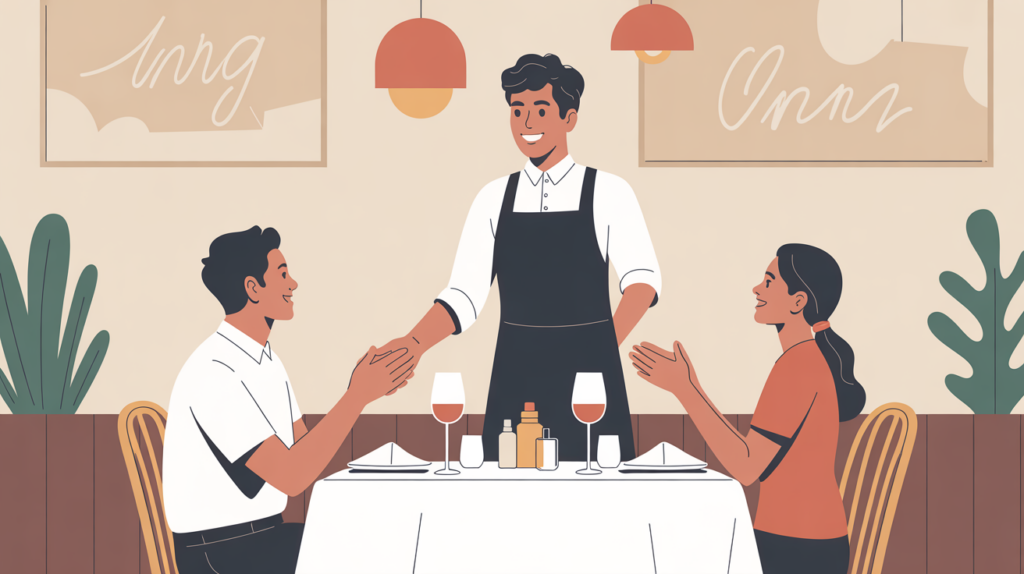
You have about 90 seconds from the moment guests sit down to make a first impression. Approach the table with a warm smile, introduce yourself, and take their drink order. That’s it. Don’t disappear for ten minutes and don’t hover awkwardly — just be there promptly, be human, and get things moving.
A good opening sets the tone for the entire meal. Guests who feel welcomed early are far more likely to tip well at the end, even if small things go sideways later.
3. Follow the Steps of Service (But Stay Human)
The “steps of service” is the timing framework that keeps your section running smoothly. Here’s the standard benchmark top servers follow:
- Within 90 seconds: Greet the table and take drink orders
- 4–5 minutes: Deliver drinks and take food orders
- 9 minutes: Check in, refill drinks, prep the table
- Upon food delivery: Ask if anything else is needed immediately
- 2–4 minutes after food arrives: Check back on quality and offer refills
Sticking to this rhythm keeps tables happy, turns covers efficiently, and — critically — protects your tip potential at the end of every shift.
How Do Servers Handle Difficult Customers?
Stay calm, validate their frustration, and move fast to fix it. The worst thing you can do is get defensive or disappear. Acknowledge the problem directly, apologize sincerely, and offer a concrete solution. Most guests who have a complaint handled well actually leave a better tip than if nothing had gone wrong in the first place.
Keep your tone level and your body language open. If the situation escalates beyond what you can handle alone, involve your manager without making a scene.
4. Anticipate Needs Before Guests Ask
The difference between a good server and a great one is anticipation. Is the water glass getting low? Swing by with a refill before they have to flag you down. Are the appetizer plates empty? Clear them before the entrees arrive. Did someone order steak? Bring the steak sauce without waiting to be asked.
Reading your section actively — not just reacting to raised hands — is the skill that earns the biggest tips and the best reviews. Make a habit of scanning your tables every few minutes, even while you’re doing something else.
5. Master the Art of Upselling (Without Being Pushy)
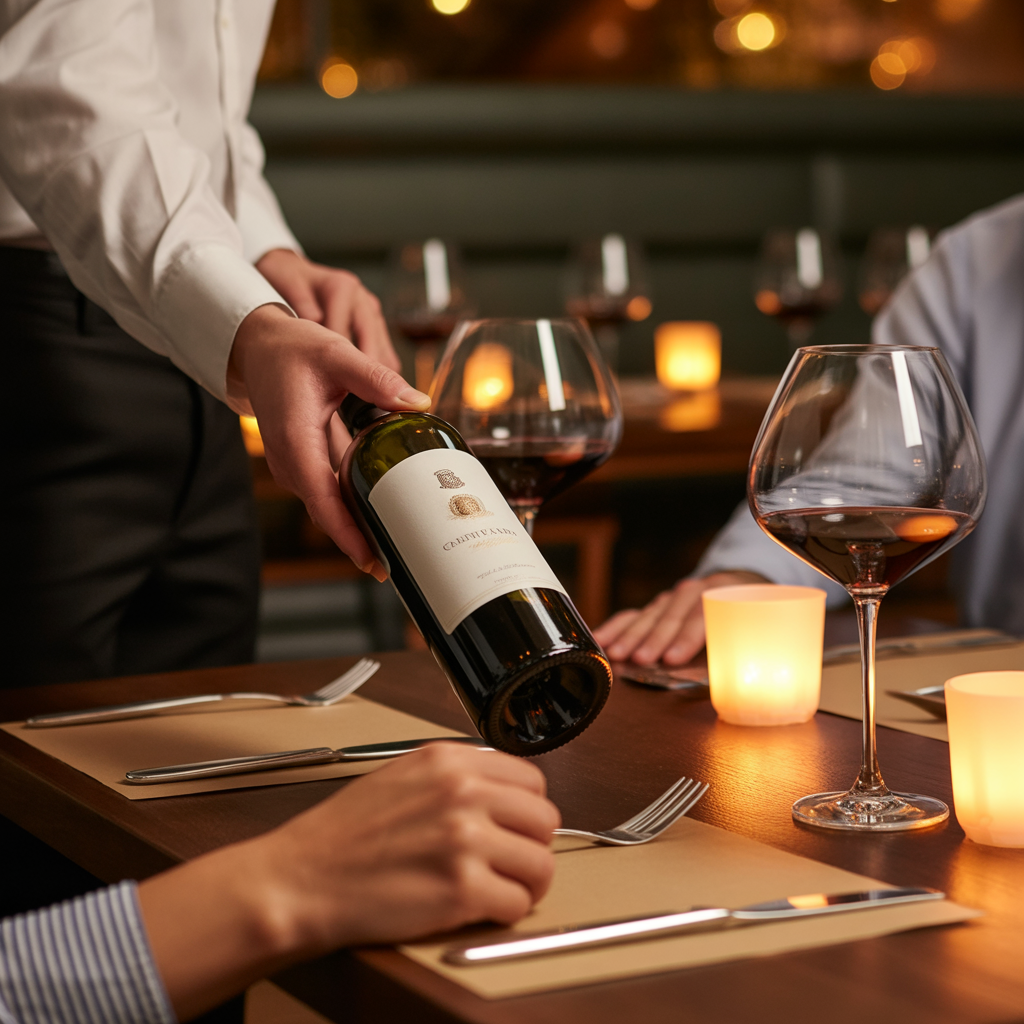
Upselling is not pressure-selling — it’s knowing your guests’ preferences and making a recommendation they’ll actually appreciate. The best upsellers ask discovery questions, listen genuinely, and suggest something that makes sense. Instead of “Would you like wine?” try “I just tried this Pinot Noir and it’s incredible with the salmon — want me to bring a glass?”
Effective upselling improves the guest’s experience and raises your check average, which directly affects your tip. The average tip percentage in the U.S. was 19.39% in Q2 2024 according to Toast’s Restaurant Trends Report — which means a $50 higher check is about $9.50 more in your pocket, per table.
How Do Servers Upsell Without Being Pushy?
Focus on the guest’s experience, not the sale. Ask what they’re in the mood for, then make a genuine recommendation based on what they tell you. Framing it as a personal suggestion — “I’d actually go with the short rib tonight, it’s been amazing” — feels helpful rather than transactional. Never upsell something you wouldn’t recommend yourself.
6. Stay Organized During the Rush
Busy shifts sort the good servers from the great ones. The key is to never make an empty-handed trip — if you’re headed to a table, pick up something on the way. If you’re walking to the kitchen, grab dirty plates en route. Every movement should accomplish something.
Prioritize tasks by urgency: food delivery beats refills, refills beat clearing. And communicate constantly with your team — a quick heads-up to a busser or a food runner can prevent a cascade of problems at your busiest tables.
7. Build Genuine Rapport With Your Tables
Guests tip people, not robots. The servers who consistently earn the most aren’t necessarily the fastest — they’re the ones guests feel a connection with. Learn guests’ names when you can. Remember a regular’s usual order. Ask a quick, genuine question about their evening and actually listen to the answer.
You don’t need to be performing stand-up comedy. A little warmth and authenticity goes a long way. Research consistently shows that small personal touches — writing “thank you” on a check, introducing yourself by name, or remembering a preference — meaningfully increase the tips guests leave.
8. Be a Reliable Teammate
The best servers understand they’re part of a system. Be the person who helps run food for another section when they’re slammed. Cover a table for a colleague who gets stuck. Build good relationships with your kitchen — when the back of house likes working with you, your orders get prioritized and your mistakes get fixed faster.
A great attitude in the weeds is also what gets you the good sections and the good shifts. Managers notice who makes the whole floor better.
How Much Do Servers Make in Tips?
It varies widely by venue and market, but the numbers are meaningful. According to ADP Research, the median pay for full-service restaurant workers — including tips and base wages — was $23.88 per hour as of September 2024. In fine dining, top servers can earn $180 to $400 in tips per shift on busy nights.
Your earning potential is genuinely tied to your skill level. Tracking your tips shift by shift — by day of week, section, shift type — helps you spot patterns and work smarter, not just harder.
9. Track Your Tips So You Can Improve Them
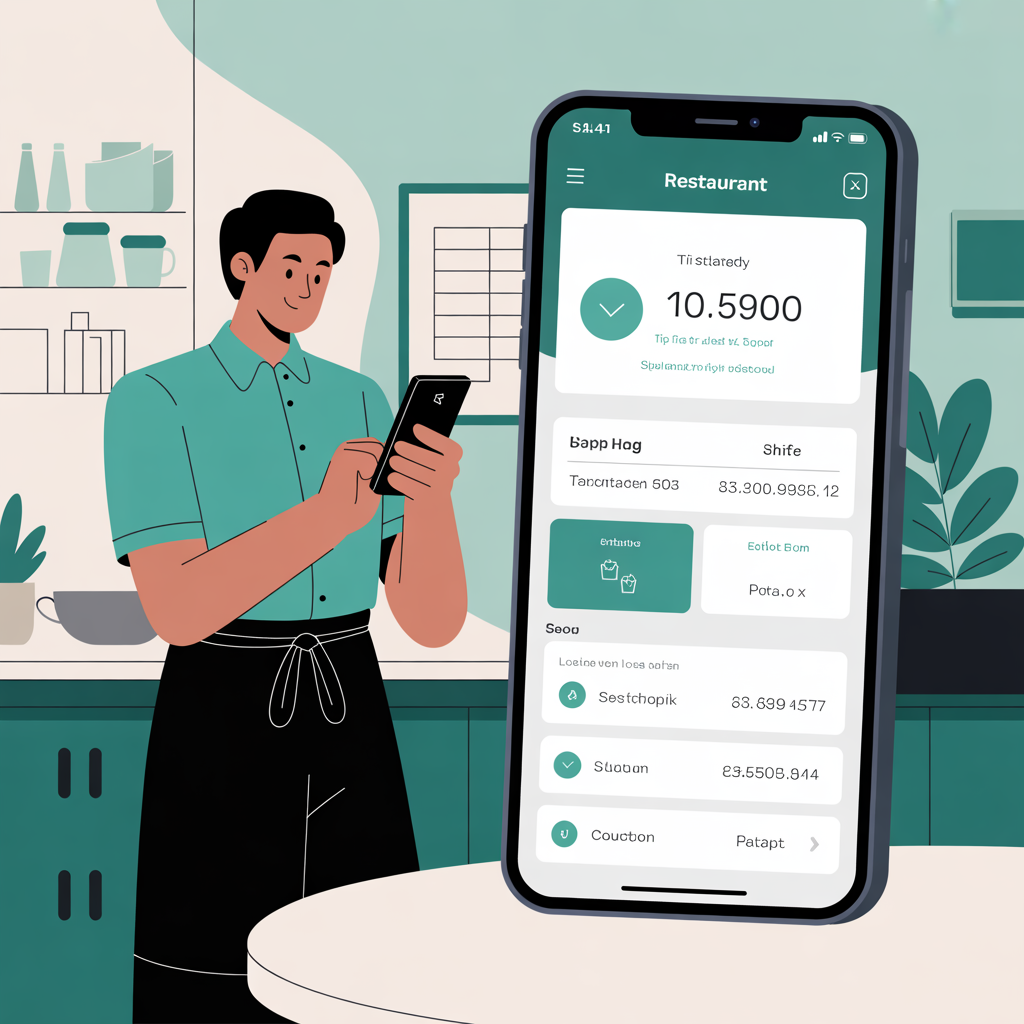
Most servers have a rough sense of what they make, but very few actually track their tips with any precision. That’s a missed opportunity. When you log your tips by shift, you start to see patterns: which days are your best, which sections pay more, whether your lunch game is as strong as your dinner game.
Apps like Tip Boss make this dead simple — log your tips after each shift and watch the data tell you exactly where to focus. Knowing your numbers is the first step to improving them.
10. Develop a Continuous Improvement Mindset
The servers who earn the most over time are the ones who stay curious. After a rough shift, ask yourself what went sideways and what you’d do differently. After a great one, figure out what you did well and repeat it. Ask your manager for feedback. Watch how the best person in your section works and steal their moves.
Treating serving as a skill that can be developed — not just a job to show up to — is what separates the servers who plateau from the ones who keep improving their income year over year.
Frequently Asked Questions
What are the qualities of a good server?
The top qualities of a good server are strong menu knowledge, attentiveness, genuine warmth, the ability to stay organized under pressure, and good communication skills with both guests and kitchen staff. The best servers combine technical know-how with real hospitality — they make guests feel genuinely taken care of, not just processed through a shift.
How can I be a better server and make more tips?
Focus on anticipating your guests’ needs before they ask, learn to upsell with genuine enthusiasm rather than pressure, and build small personal connections with every table. Tracking your tips shift by shift also helps you identify patterns — which days and sections are your strongest — so you can be more intentional about maximizing your earning potential.
What should a server do at a restaurant?
A server’s core responsibilities include greeting guests promptly, taking accurate food and drink orders, delivering items at the right time, checking in throughout the meal, handling complaints professionally, and presenting the bill. Beyond the basics, great servers upsell thoughtfully, anticipate needs proactively, and contribute to a smooth team operation throughout their shift.
How do you greet a table as a server?
Approach the table within 90 seconds of guests sitting down, make eye contact, smile, and introduce yourself by name. Then take their drink order to get things moving. Keep it warm but efficient — guests don’t need a speech, they need to feel acknowledged and know that someone capable is looking after them.
How do servers handle difficult customers?
Stay calm, listen without interrupting, acknowledge the issue sincerely, and act quickly to resolve it. Avoid getting defensive or disappearing. If you can fix the problem yourself — replacing a dish, removing a charge — do it immediately. If you need backup, bring in your manager without escalating tension. Guests who feel heard and helped often leave a generous tip despite the initial problem.
What are the steps of service for a server?
The standard steps of service are: greet within 90 seconds and take drink orders, deliver drinks and take food orders at 4–5 minutes, check in at 9 minutes and refill drinks, ask if anything is needed upon food delivery, and follow up 2–4 minutes after food arrives to confirm satisfaction. Consistently hitting these timing benchmarks keeps your section running smoothly and maximizes your tip potential.
How do servers upsell without being pushy?
Make recommendations feel personal rather than scripted. Ask discovery questions to understand what the guest is in the mood for, then genuinely suggest something that fits. Phrase it as your own preference: “I actually love the charcuterie board to start with this wine” lands very differently than “Can I interest you in an appetizer?” The goal is to enhance their experience, not inflate the check.
How much do servers make in tips?
According to ADP Research, the national median pay for full-service restaurant workers — including base wages and tips — was $23.88 per hour as of September 2024. Fine dining servers can earn significantly more. The national average tip percentage was 19.39% in Q2 2024, according to Toast’s data — meaning higher check averages and stronger service directly translate to higher take-home pay.

